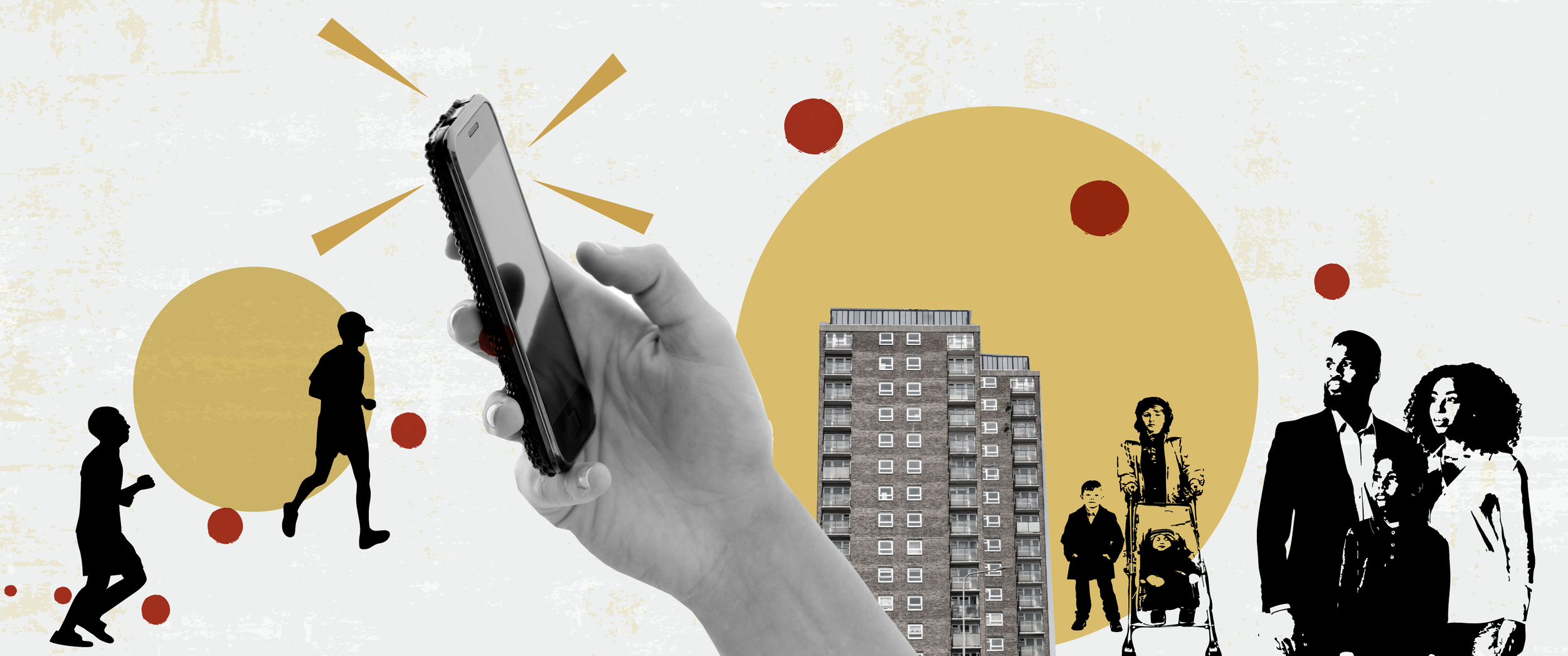
Lives transformed: 40 years of violence and social change
University of Warwick
The University was undertaking significant research into homicide records kept by the police since 1977, aiming to understand how patterns of lethal violence have evolved over four decades. The findings highlighted complex political, economic, social, and cultural factors influencing these changes. The research team wanted to make the data and insights more accessible and engaging to a wider audience beyond academia.
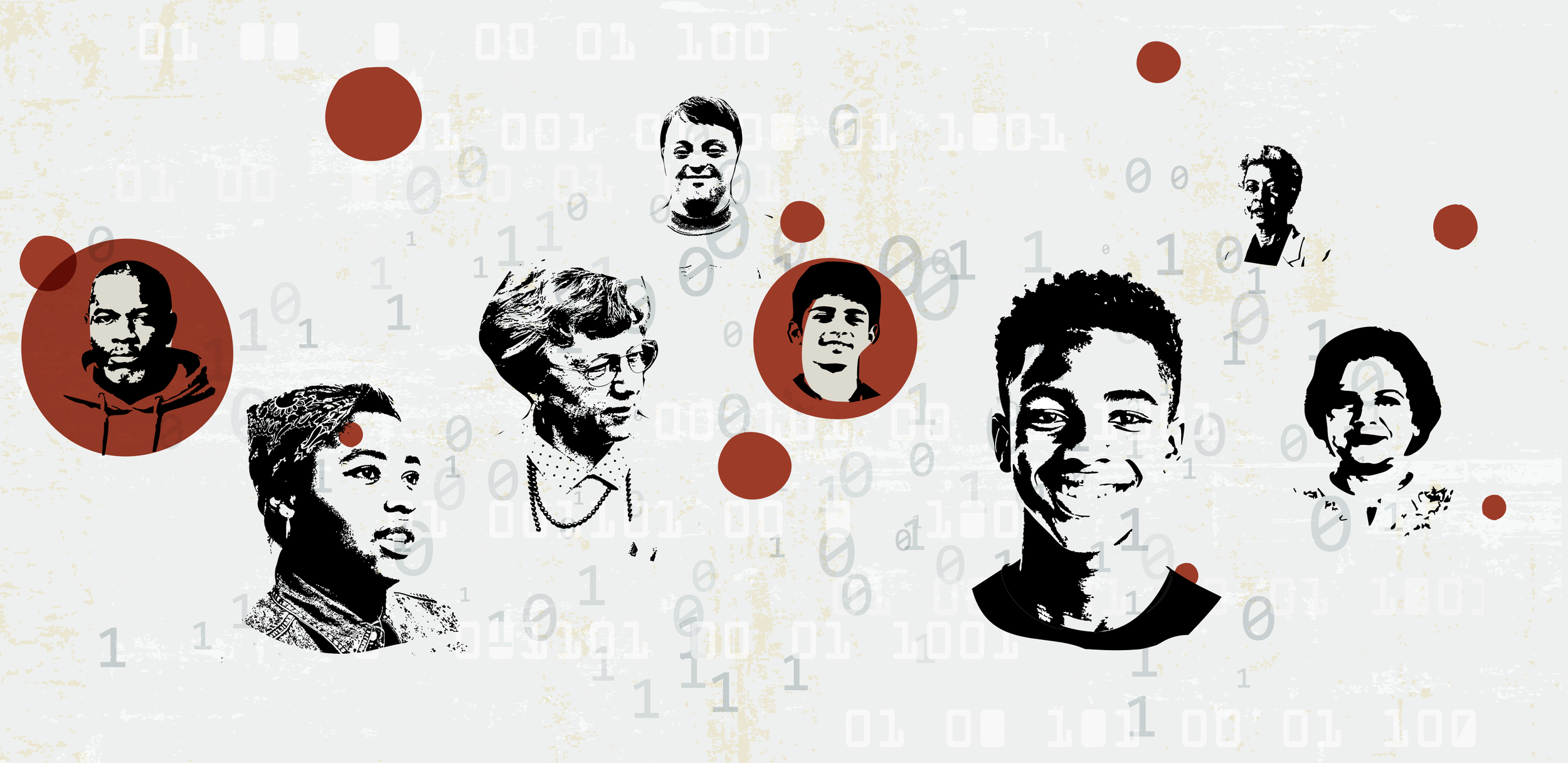

The task was to create an animation that would visually interpret the research findings, communicate the key themes clearly, and engage viewers in a thoughtful, accessible way. The challenge was to translate dense, data-heavy material into a compelling visual story that captured both the human and societal dimensions of the subject. Aimed at politicians, policymakers, researchers, and the public, it is hoped that the research and animation will inform decisions and promote policy change.
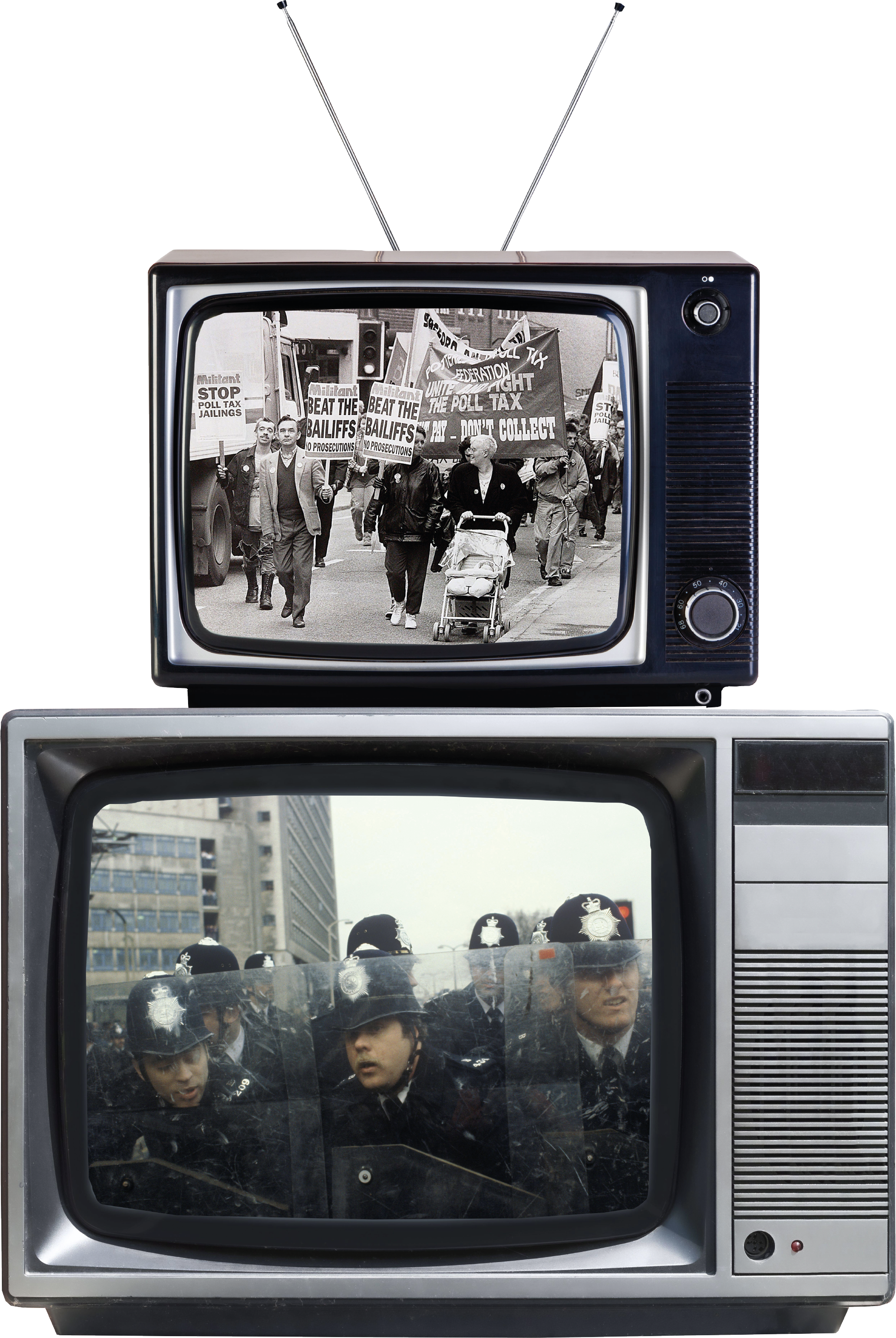
The final animation achieved this by clearly presenting the complex findings in a format that was engaging and easy to follow. It was well received by the University team and became a key part of their public engagement strategy, helping to support wider conversations around violence, policy, and social change.
Building on this, the study was later presented at the Royal Society of Arts, London, in partnership with SAMM (Support After Murder and Manslaughter). The symposium brought together academics, policymakers, and NGOs, including Dame Nicole Jacobs, Domestic Abuse Commissioner. This presentation highlighted how animation can make challenging and sensitive research both understandable and emotionally impactful.